Weight Loss Changes More Than the Scale
If you’ve lost a significant amount of weight, especially quickly with the help of GLP‑1 medications, you may feel proud of what you’ve achieved but also confused by what you see in the mirror.
You may notice that in photos your face looks sharper, or that your cheeks don’t catch the light the way they used to. Friends might say you look “so thin,” but you may notice something else: a kind of tiredness or flatness that doesn’t match how proud you feel inside.
This is very common.
Rapid weight loss doesn’t just shrink fat cells. It changes how your face is supported, how your skin sits on your body, how firm your skin feels, and may also impact how your hair grows. When weight comes off faster than your skin and tissues can adapt, things can start to look… deflated, loose, or unfamiliar.
Let’s walk through the most common changes people notice after GLP‑1 weight loss and explain what aesthetic treatments can actually help and why.
Table of Contents:
Why Rapid Weight Loss Changes How You Look
1. Weight Loss Changes in the Face: Facial Hollowing and Loss of Support
2. Loose Skin Due to Weight Loss: Face and Neck
3. Loose Skin After Weight Loss on the Body
4. Post Weight Loss Stretch Marks
Why Rapid Weight Loss Changes How You Look
Fat isn’t just “extra weight.” It acts like padding and scaffolding. It holds skin up, smooths contours, and gives shape.
When you lose fat quickly:
- Skin doesn’t have time to tighten
- Collagen production can’t keep up
- Areas that relied on fat for support can collapse or sag
Think of it like removing a mattress from under a fitted sheet. The sheet is still there; it just doesn’t sit the same way anymore.
1. Weight Loss Changes in the Face: Facial Hollowing and Loss of Support
This is often the first thing people notice.
You may see:
- Cheeks that look flatter or gaunt in the face
- Deeper under‑eye hollows
- A sharper, more tired look
- Jowls appearing where they weren’t before
This happens because facial fat helps hold the skin up. When it’s lost quickly, people sometimes describe this as “Ozempic face” or Ozempic face aging, but it’s really just a visible result of rapid fat loss. When that fat disappears, the skin can fall inward or downward.
What actually helps
When facial support disappears, the skin either needs structural support to rest on, and/or it needs time and collagen rebuilding, so the underlying support can gradually recover.
Biostimulators (like Sculptra® or Radiesse®)
These treatments aim to stimulate collagen production. They don’t instantly puff up the face. Instead, they help your body make new collagen over weeks and months. That collagen acts like internal reinforcement.
- Best for: overall facial support and gradual improvement in hollowing
- What to expect: results are gradual; usually a series is recommended
Dermal fillers
Fillers are more like support beams placed in specific spots. A small amount in the right area (often cheeks/midface, sometimes jawline) can restore support right away, so you don’t look as sunken.
- Best for: faster improvement in specific hollows or “deflated” areas
- What to expect: immediate change; can be adjusted conservatively over time
Often, the most natural approach is biostimulators for long-term structure plus a conservative amount of filler for immediate support, so you don’t have to overfill to get your face back.
2. Loose Skin Due to Weight Loss: Face and Neck
After weight loss, skin can start to look looser, thinner, or more wrinkled, especially around the eyes, mouth, jawline, and neck. These are common areas for loose skin after weight loss, and it can make the face look older than expected.
This isn’t just about tightening. It’s about improving the quality of the skin so it’s thicker, firmer, and more resilient.
What actually helps
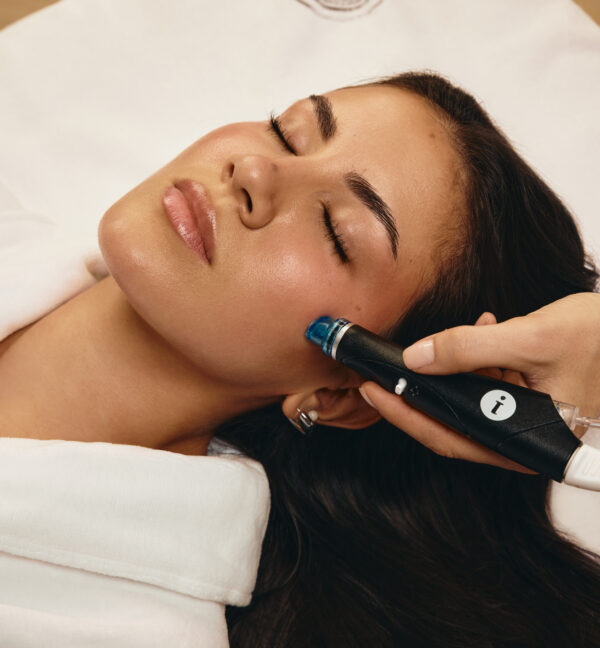
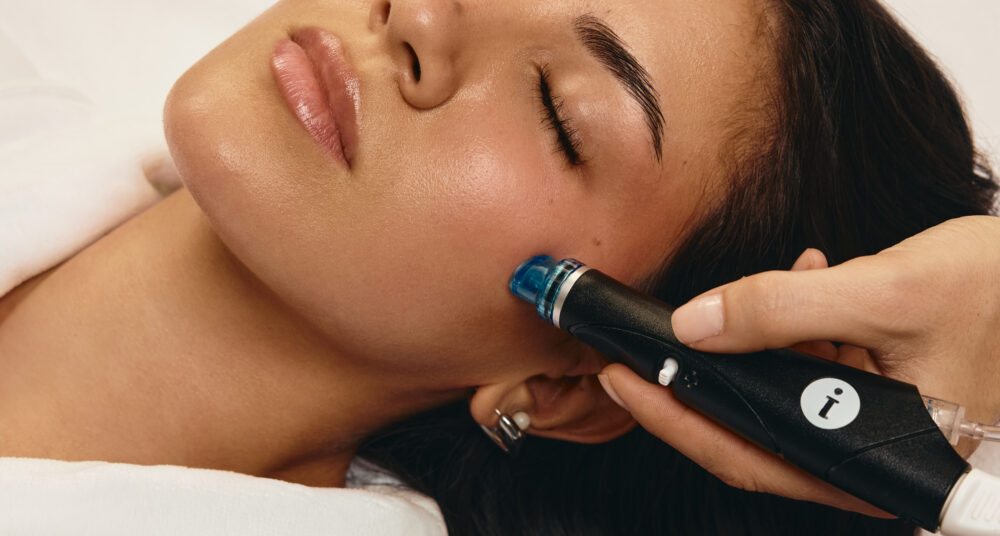
Microneedling
Microneedling creates tiny, controlled micro-channels. Your skin responds by building new collagen (strength) and elastin (bounce).
- Best for: crepey texture, fine lines, enlarged pores, overall skin quality
- What to expect: gradual improvement over a series (not one-and-done)
Ultherapy® (face and neck)
Ultherapy uses focused ultrasound to deliver energy deep under the skin to the support layers. That heat triggers collagen rebuilding deeper than many surface treatments can reach.
- Best for: brow area, jawline, and neck laxity (subtle lifting/tightening)
- What to expect: results build over 2–3+ months; usually minimal downtime
Fractional Lasers
Lasers can improve texture and tone and help the skin behave “younger” by stimulating repair. Some lasers are better for pigment/redness; others are better for texture and collagen.
- Best for: smoother texture, more even tone, fine lines
- What to expect: downtime depends on the laser, some are very low downtime, some require a short recovery
These are often layered because skin can be loose and thin at the same time.
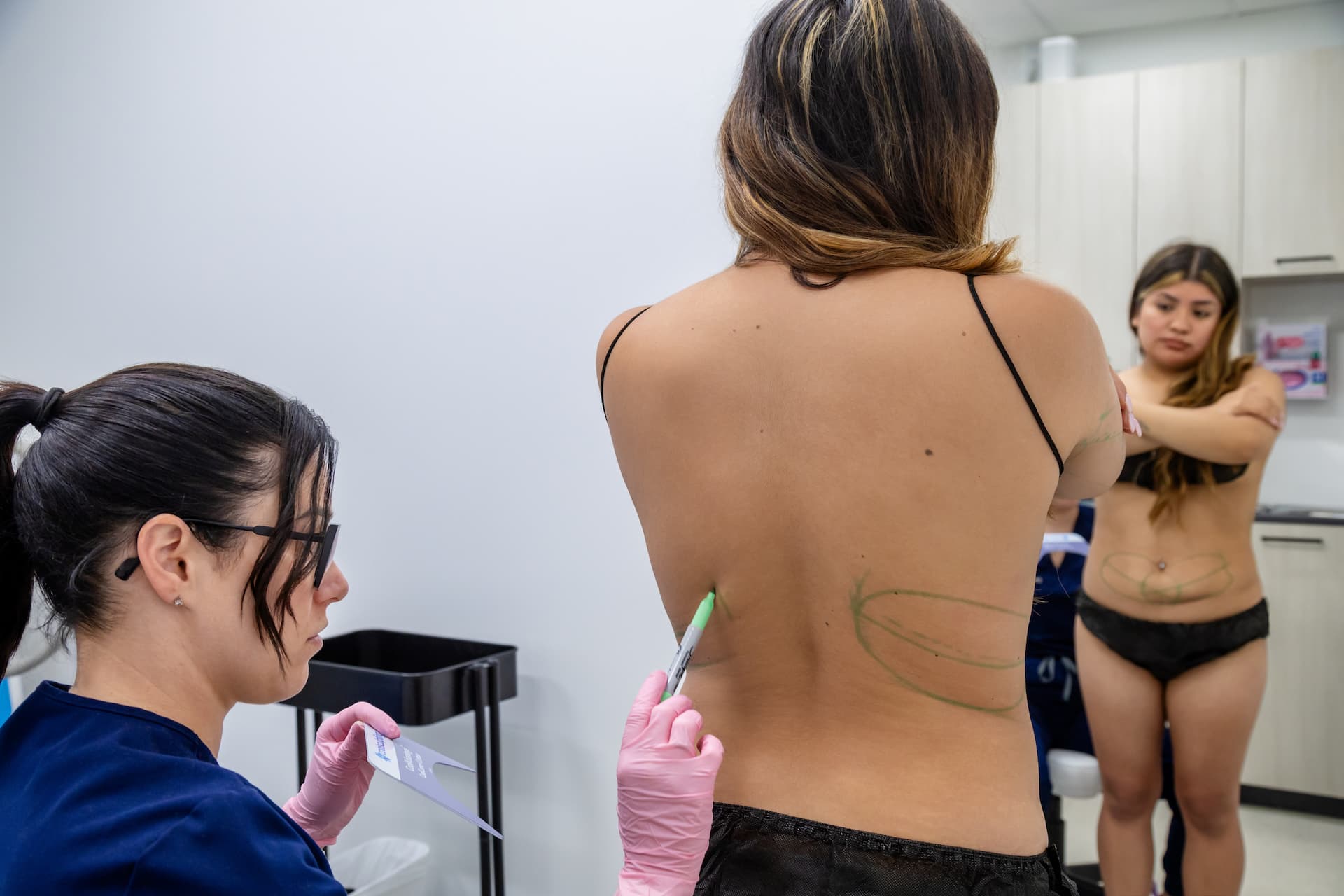
3. Loose Skin After Weight Loss on the Body (and Why It’s So Common)
Loose skin on the stomach, arms, thighs, or buttocks is one of the most frustrating parts of major weight loss. Many people start searching for how to get rid of loose skin after weight loss, only to find confusing or unrealistic answers online.
Skin on the body is thicker than facial skin, but it also stretches more, and once fat is gone, it doesn’t always snap back.
What actually helps
For the body, you usually need a mix of skin tightening (collagen repair) and better support underneath (muscle tone).
RF microneedling
RF microneedling combines microneedling with radiofrequency heat delivered deeper into the skin. The needles trigger repair, and the RF heat boosts collagen remodeling where body skin tends to be laxed.
- Best for: abdomen, thighs, and arms areas where skin feels loose or crepey
- What to expect: a series is usually needed; results build over weeks to months
Exilis®
Fillers are more like support beams placed in specific spots. A small amount in the right area (often cheeks/midface, sometimes jawline) can restore support right away, so you don’t look as sunken.
- Best for: faster improvement in specific hollows or “deflated” areas
- What to expect: immediate change; can be adjusted conservatively over time
Emsculpt® Neo
Weight loss can reduce muscle fullness, too. Emsculpt Neo builds muscle and improves definition, which helps the body look more shaped and supported, so the skin looks smoother on top.
- Best for: improving contour (glutes, abdomen, arms)
- What to expect: visible toning over a course of treatments
These options don’t replace surgery in extreme cases, but they can make a meaningful difference for many people.
4. Post Weight Loss Stretch Marks
Stretch marks often become more visible after weight loss, not before. These post weight loss stretch marks can feel surprising, especially after all the hard work it took to lose the weight. As fat disappears, these lines can look deeper or more noticeable.
What actually helps
For the body, you usually need a mix of skin tightening (collagen repair) and better support underneath (muscle tone).
Fractional and Vascular Lasers
Lasers can help in two main ways:
- Best for: improving color (so red or darker marks blend better), and improving texture by encouraging collagen repair so the marks look smoother.
- What to expect: multiple sessions; gradual improvement
Microneedling or RF microneedling
- Best for: stimulating collagen remodeling in the skin, which can soften the depth and texture of stretch marks.
- What to expect: results build over time (think months, not days)
5. Stubborn Fat Pockets That Won’t Go Away
Even after significant weight loss, some small fat pockets remain, often in the lower abdomen, flanks, thighs, or under the chin.
This isn’t a willpower issue. These areas are biologically stubborn. Think of them like the last little bits your body is “protective” about.
What actually helps
CoolSculpting®
CoolSculpting targets a specific pocket of fat by cooling the fat cells so the body can clear them gradually over time.
- Best for: small, pinchable areas that bother you even after weight loss.
- What to expect: results show gradually over weeks; it’s for reshaping, not losing pounds.
Pairing with tightening when needed
If the area already has loose skin, reducing a bit more volume can sometimes make laxity more noticeable. That’s why fat reduction is often paired with treatments that support firmness.
6. Hair Thinning and Shedding
Rapid weight loss can stress the body and push hair into a shedding phase. Many people notice more hair in the shower or a thinner ponytail.
Here’s the part that feels unfair: hair shedding is often delayed. You can be doing great on your weight loss plan and then, weeks later, your hair starts shedding.
Why it happens
Hair grows in cycles. When your body is under stress (big weight change, calorie changes, nutrient shifts), it can push more hairs into a “resting” phase. A few months later, those hairs shed.
What actually helps
Platelet-Rich Plasma
Platelet-rich plasma uses your own concentrated growth factors to support follicles and improve the environment for regrowth.
- Best for: shedding and early thinning, supporting healthier regrowth
- What to expect: usually a series; results take time because hair grows slowly
Exosome Therapy
Exosomes are signaling messengers that can help improve scalp health and communicate “repair and regenerate” messages to follicles.
- Best for: scalp support and stronger regrowth protocols
- What to expect: your provider will recommend the right plan based on your pattern and timing
Hair regrowth is slow, but early treatment can make a big difference.
Why Timing Matters So Much
One of the most important (and least talked about) parts of post‑GLP‑1 care is when you do treatments, not just what you do.
Some changes happen right away. Others show up months later, once your weight has stabilized or your body catches up.
Some treatments are best started early
Certain treatments work best when they’re started while weight loss is still happening, not after everything feels “done.” For example:
- Treatments that support skin quality and collagen can help skin cope better as fat is lost
- Early scalp treatments can help reduce the severity or duration of delayed hair shedding
Starting these earlier is about prevention and support, not over‑treating.
Other concerns show up later
Some of the most frustrating changes don’t appear right away:
- Hair thinning often starts 2–4 months after weight loss begins
- Facial hollowing can become more noticeable once weight stabilizes
- Loose skin may look worse before it starts to improve
This delay is why many people feel caught off guard.
Why expert guidance matters
Having an aesthetic expert involved during your weight‑loss journey, not just at the end, helps:
- Anticipate changes before they become distressing
- Choose treatments that evolve as your body changes
- Avoid doing too much, too soon
- Create a long‑term plan instead of quick fixes
Think of it like having a guide while your body is changing, not someone who only steps in once everything has already shifted.
The right timing makes treatments more effective and results more natural.
Final Thoughts
GLP‑1 weight loss can change your life, but it also changes how your face, skin, and body behave.
Loose skin, hollowing, stretch marks, stubborn fat, and hair thinning are not failures. They are normal responses to rapid fat loss.
With the right treatments, matched thoughtfully to the right concerns, it’s possible to support your body through this transition and feel more like yourself again.
Because weight loss changes more than the scale and understanding, that makes all the difference.
If you’re ready to take the next step, our team at Victoria Park is here to guide you with expert, medically informed aesthetic care throughout your weight loss journey.
Book your consultation today and discover how personalized, non-invasive treatments can support your skin, face, and body after GLP-1 weight loss.
Book a consultation and start your journey with Canada’s #1 Medispa.
Own your extraordinary.