Chemical Peels
Non-invasive solution
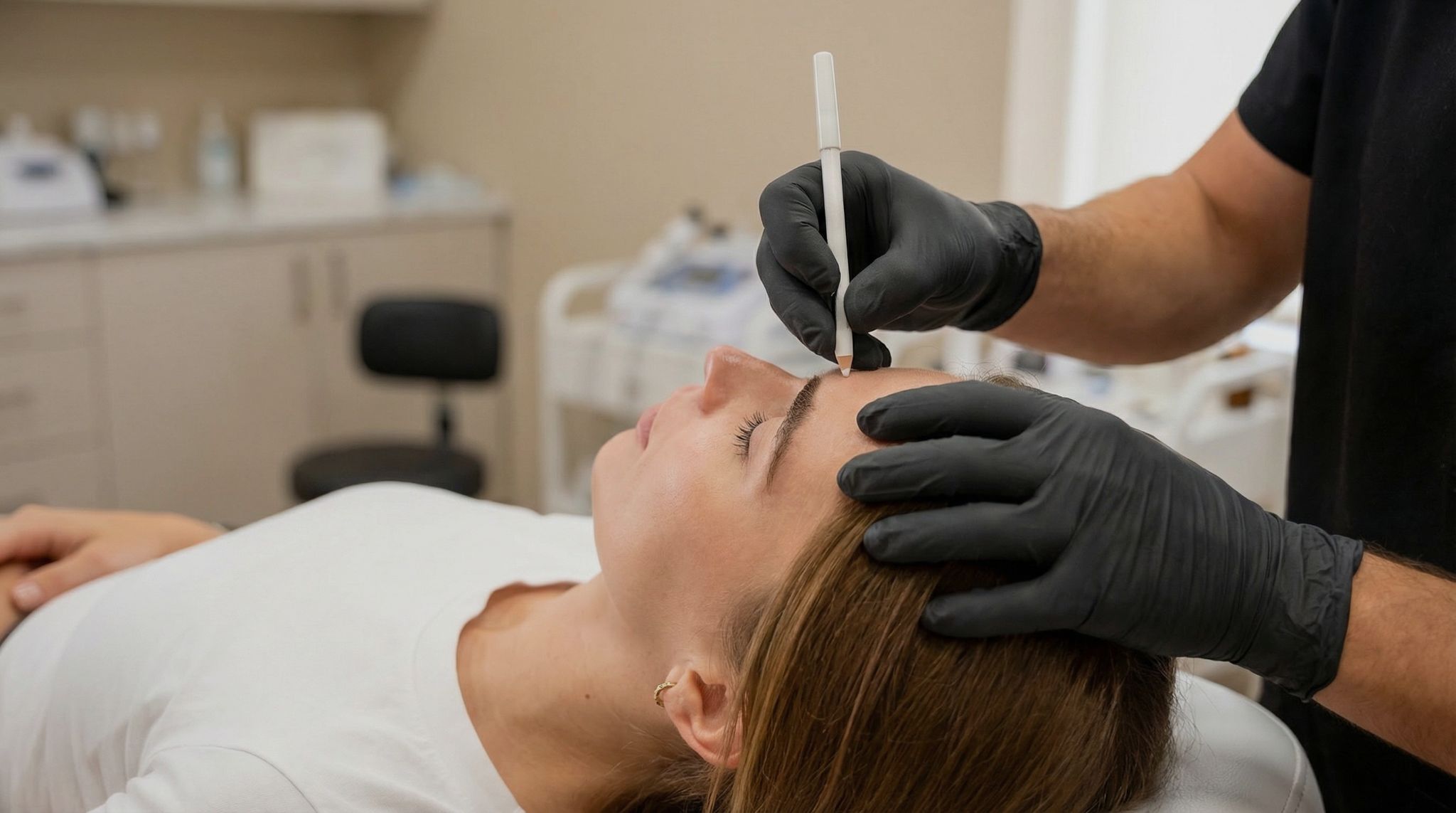
A chemical peel is a non-invasive treatment offered at Victoria Park Medispa that uses medical-grade acids to deeply exfoliate the skin and stimulate renewal. Depending on the type of peel selected, such as AHA, BHA, TCA, or Jessner peels, and the professional product line used, including MeLine®, Pro-Derm®, Vivier®, or SkinCeuticals®, it can target concerns such as acne, pigmentation, fine lines, or dull skin. By removing dead skin cells, the peel encourages the skin to regenerate and produce more collagen for a smoother, more even complexion. The depth of the treatment is always customized to your needs and desired recovery time.
PRICE
- Ranges from $150 to $650
- * The price of chemical peels varies depending on the formulation, concentration, and number of sessions required.
TREATMENT AREAS
- Face (full or targeted)
- Neck
- Décolleté
- Back
- Hands
- Shoulders (depending on peel depth)
PAIN LEVEL
- Mild to moderate (superficial peels)
- Moderate to high (medium to deep peels)
- Temporary tingling, warmth, or burning sensation during application
RECOVERY TIME
- Redness and peeling: 3 to 7 days (depending on depth)
- Deeper peels: up to 10 to 14 days
- Results become visible after peeling
CONDITIONS TREATED
CHEMICAL PEELS
BEFORE & AFTER
FEMALE
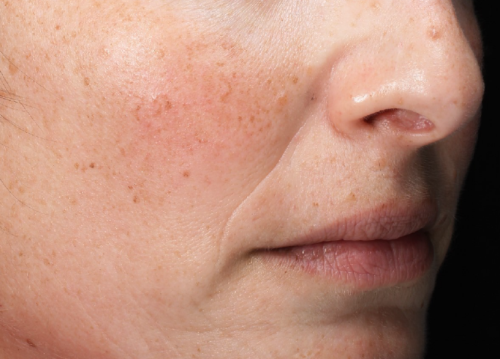
A popular treatment among women, chemical peels help improve skin tone and texture, reduce the appearance of pigmentation, fine lines, and acne imperfections, and reveal a brighter, smoother, more radiant complexion.
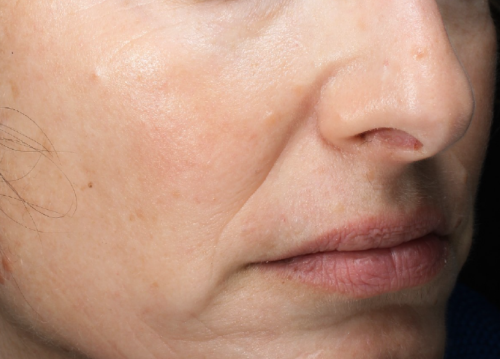
Procedure:
- Results achieved following a Meline® chemical peel treatment
Clinic:
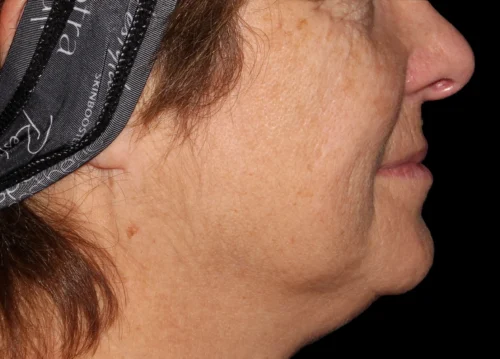
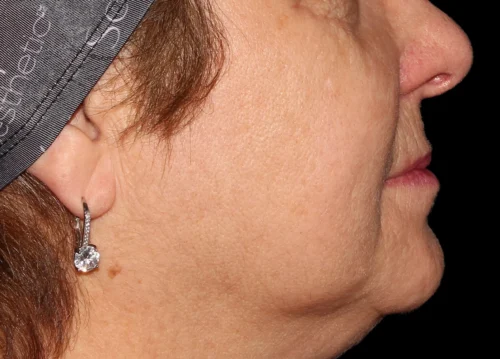
Procedure:
- Results achieved after 2 Jessner chemical peel treatments
Clinic:
Provider:
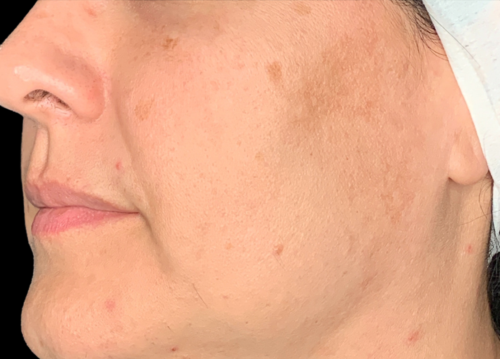
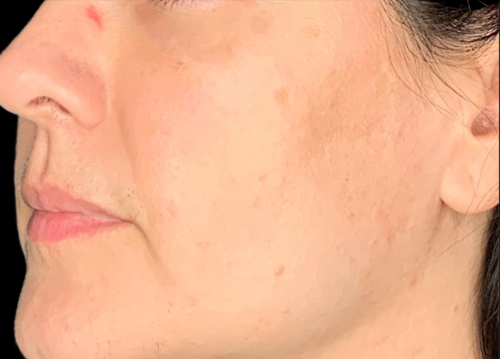
Procedure:
- Results achieved after 2 Meline® Chemical Peel treatments
- Treatments were performed over a 1-month period
Clinic:
MALE
A popular treatment among men, chemical peels help refresh and rejuvenate the skin by improving texture, reducing sun damage and pigmentation, minimizing acne breakouts, and promoting a clearer, healthier-looking complexion with minimal downtime.
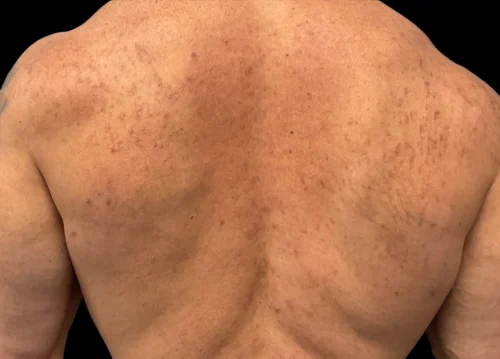
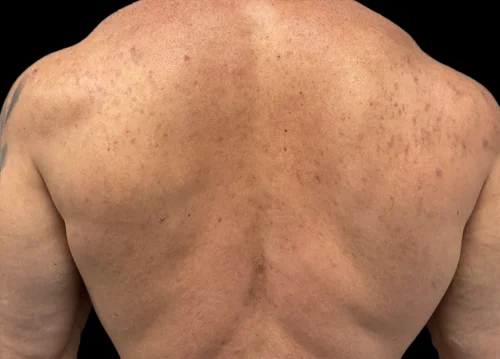
Procedure:
- Results achieved after 2 Jessner chemical peel treatments and 2 HALO® laser treatments
Clinic:
Provider:
Photos courtesy of Victoria Park Medispa.
Warning: These photos are published for reference only to provide information on the nature of the treatment.
They do not constitute a guarantee of results.
HOW THE
TREATMENT WORKS
A chemical peel uses an exfoliating solution to remove dead skin cells and stimulate cell renewal. Applied in a controlled manner, it targets the superficial layers of the skin to improve texture and overall skin tone. The formulation is tailored to address specific skin concerns.
Step 1
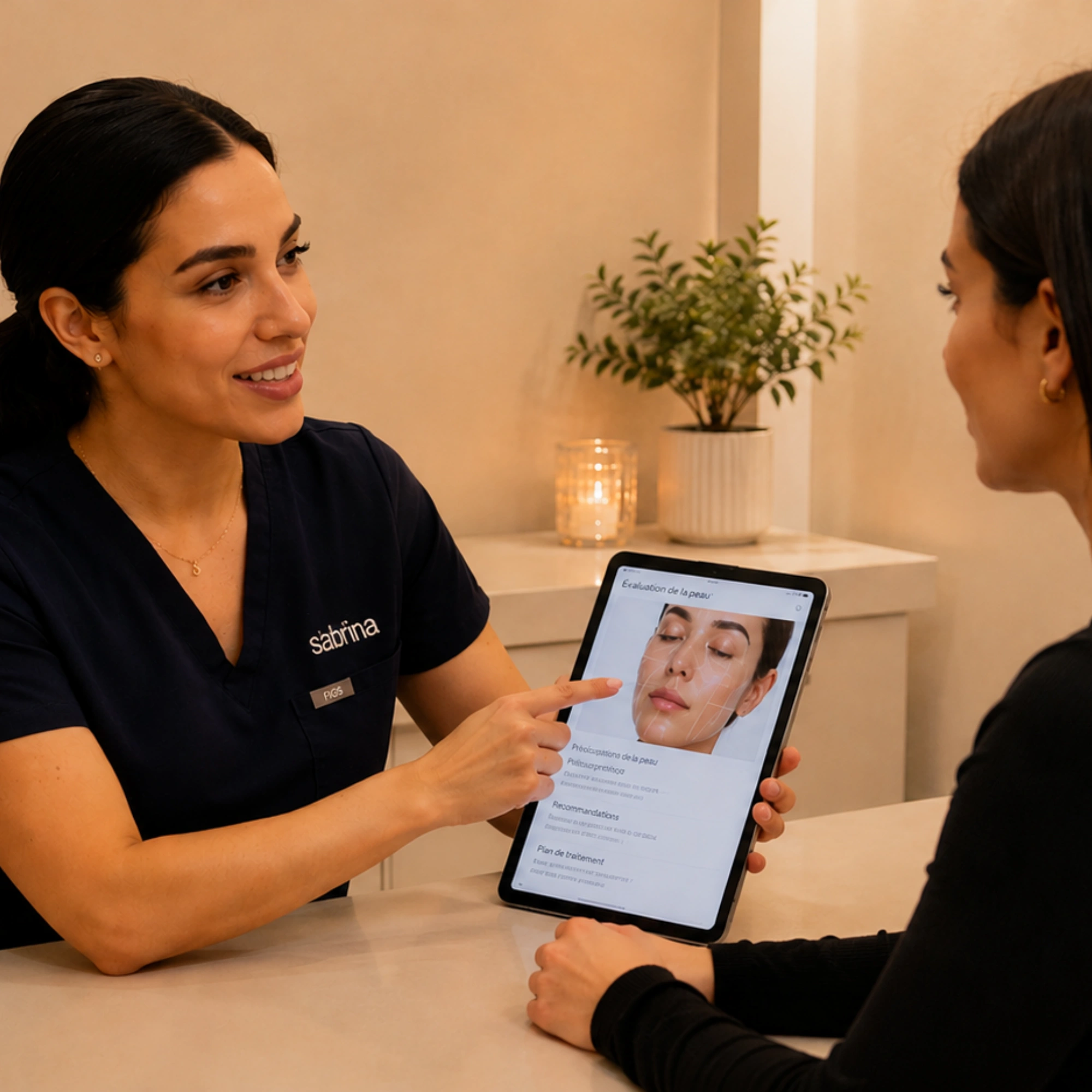
Your treatment begins with a consultation to assess your skin and determine the type of peel best suited to your goals.
Step 2
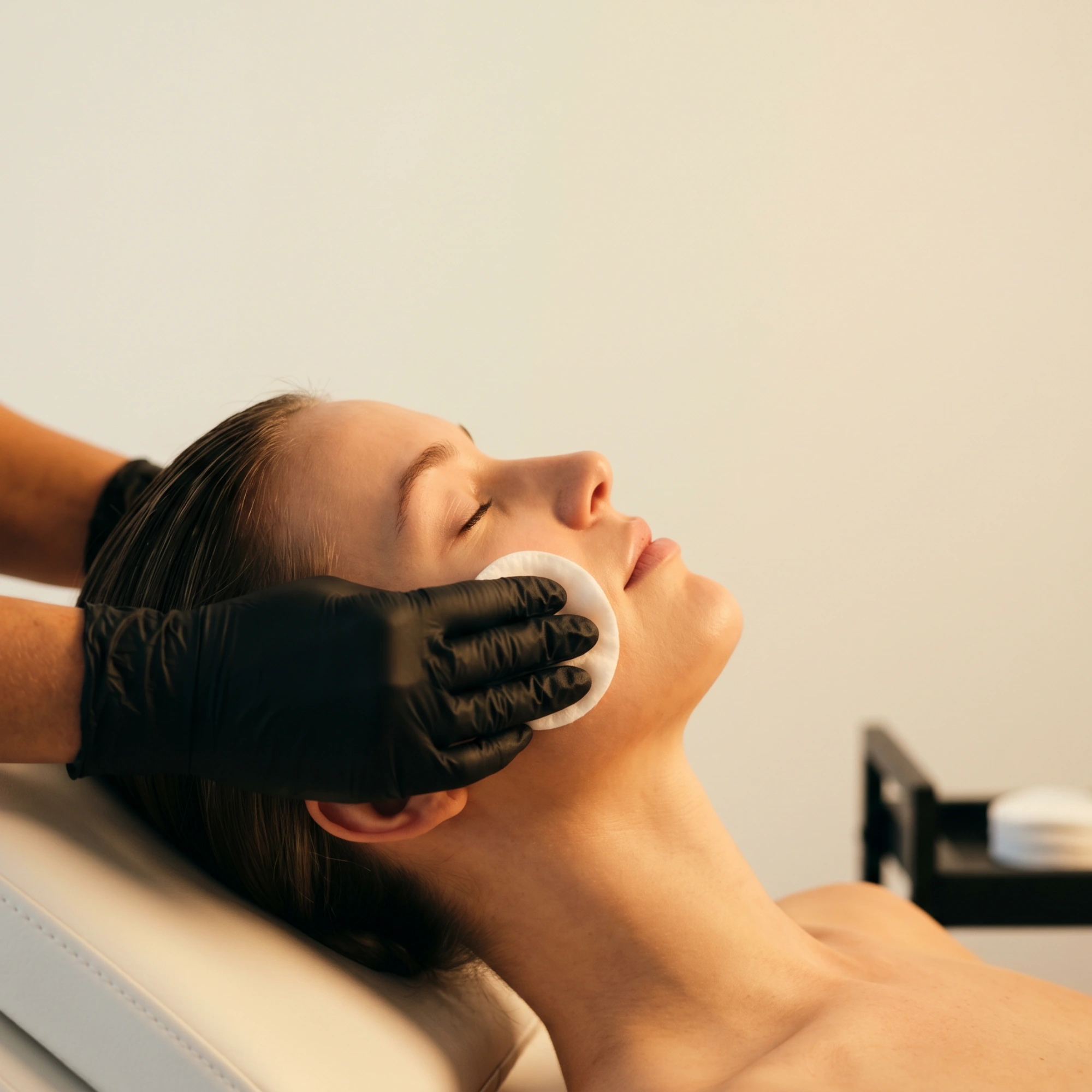
The skin is thoroughly cleansed to remove excess oil, impurities, and makeup.
Step 3
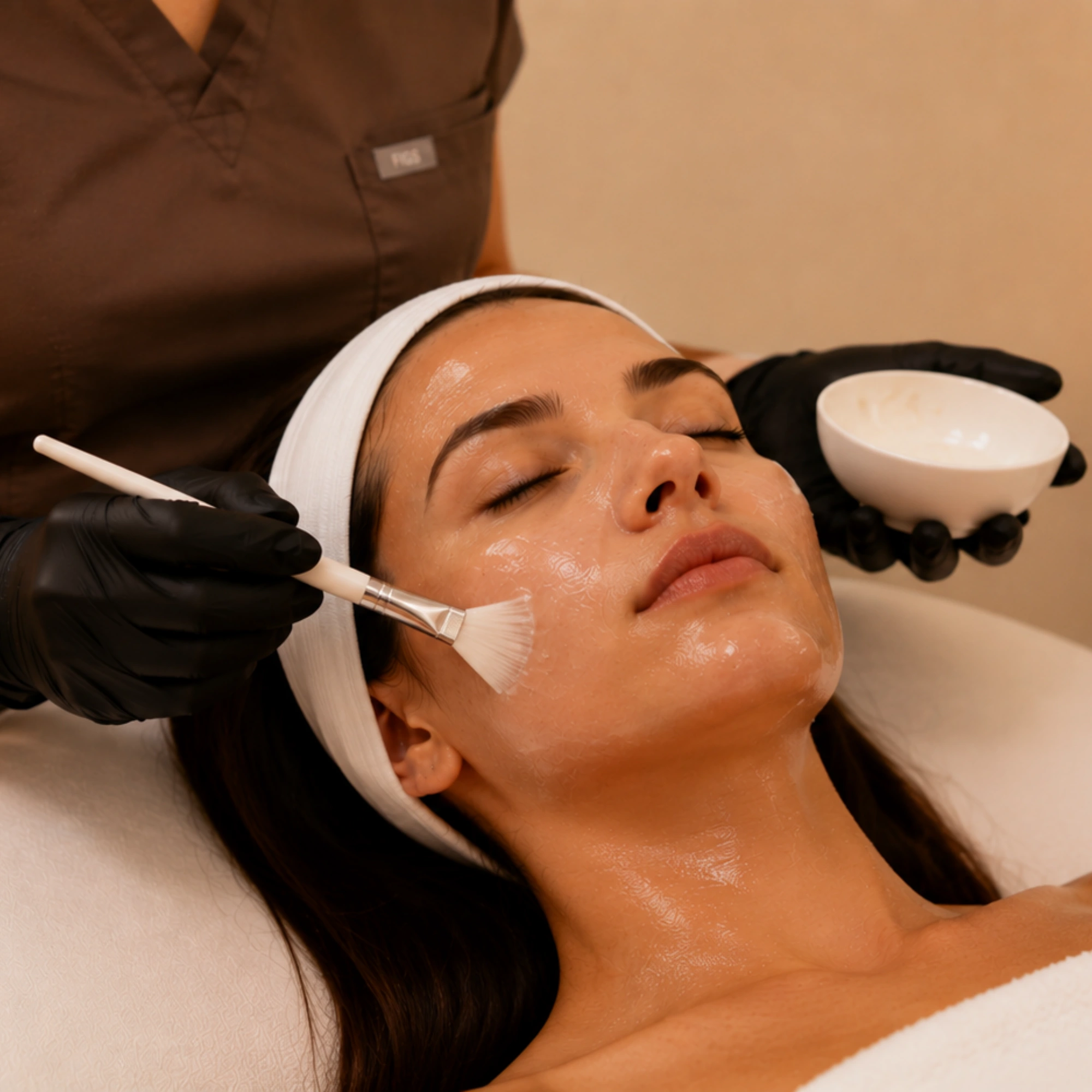
The peeling solution is applied evenly to exfoliate the superficial layers and stimulate cellular renewal.
Step 4
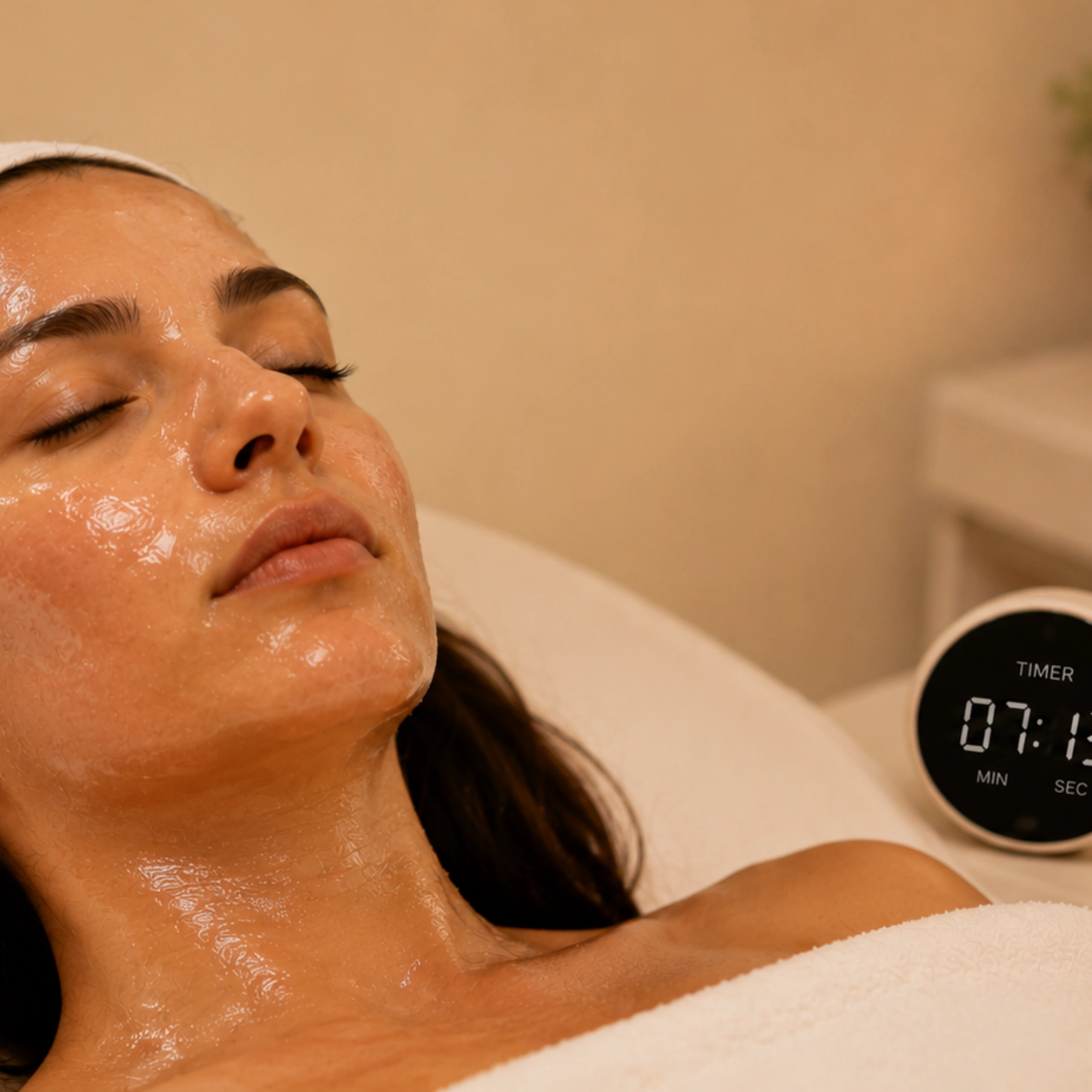
The solution is left on the skin for a controlled period of time, depending on the protocol and skin sensitivity.
Step 5
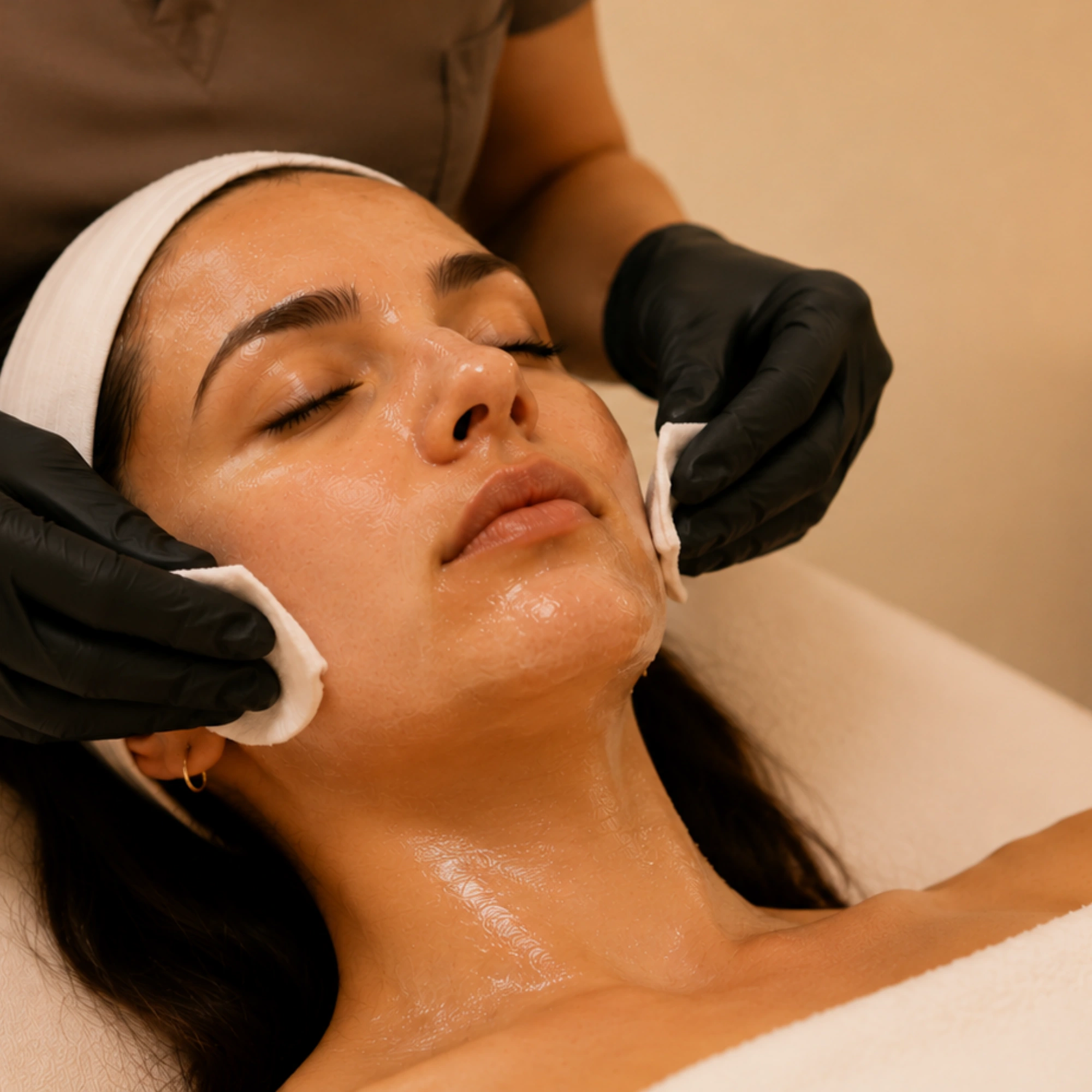
The peel is then neutralized or removed to safely complete the treatment process.

Step 6
The treatment concludes with the application of soothing and protective products tailored to the skin. Personalized recommendations are provided to help optimize comfort, protect the skin, and support treatment results.
CONTRAINDICATIONS
ALLERGY
Any known allergy to the acids used (AHA, BHA, TCA, phenol, etc.) must be disclosed prior to the session.
SKIN DISORDERS
Any active skin disorder, including infection, severe rosacea, dermatitis flare-up, eczema flare-up, rash, or recent sunburn, must be fully resolved before treatment.
MEDICATION
Current or recent use of isotretinoin (Accutane) within the past 6 months may require postponing the peel. Some types of peels are not recommended during pregnancy.
Offered at
17 locations
FAQ
Got questions about Chemical Peels? We’ve got your answers here!
WHAT DOES A CHEMICAL PEEL DO?
Chemical peels exfoliate the superficial layers of the skin using a blend of active acids. This process removes dead skin cells, unclogs pores, improves skin texture, and stimulates cellular renewal. The result is brighter, smoother, and more even-looking skin.
ARE CHEMICAL PEELS SAFE?
Yes. When performed by qualified professionals, chemical peels are safe and effective for most skin types. Before treatment, your provider will evaluate your skin condition, medical history, and treatment goals to determine the most appropriate peel.
CAN A CHEMICAL PEEL REMOVE WRINKLES?
Chemical peels can improve the appearance of fine lines and superficial wrinkles by stimulating collagen production and accelerating skin renewal. Deeper wrinkles may require more advanced treatments such as fractional laser resurfacing or radiofrequency microneedling.
Want to learn more about the factors that contribute to skin aging? Read our article: "What Causes Skin Aging? How Much Is Genetic vs What You Can Control."
DO CHEMICAL PEELS HELP TIGHTEN SKIN?
Chemical peels can improve skin firmness by stimulating collagen production and enhancing skin texture. However, moderate to severe skin laxity typically responds better to treatments such as Thermage®, Ultherapy®, Morpheus8®, or Exilis Ultra™.
DO CHEMICAL PEELS REDUCE PORE SIZE?
Chemical peels help minimize the appearance of enlarged pores by removing excess oil, dead skin cells, and debris. While pores cannot be permanently reduced in size, they often appear less noticeable after treatment.
DO CHEMICAL PEELS HELP WITH MELASMA?
Yes. Certain chemical peels, particularly those containing mandelic acid or TCA, may help improve melasma when combined with a personalized skincare regimen and diligent sun protection.
ARE CHEMICAL PEELS EFFECTIVE FOR HYPERPIGMENTATION?
Yes. Chemical peels are among the most effective non-surgical treatments for reducing hyperpigmentation, sun damage, post-inflammatory pigmentation, and uneven skin tone.
ARE CHEMICAL PEELS GOOD FOR THE SKIN?
Absolutely. Chemical peels support the skin's natural renewal process, helping to improve radiance, texture, clarity, and overall skin health while enhancing the effectiveness of medical-grade skincare products.
DO CHEMICAL PEELS HELP WITH ACNE?
The best chemical peel for acne depends on the severity of the condition. Salicylic acid, Jessner, and combination peels are often recommended to reduce breakouts, congestion, and post-acne marks.
CAN YOU HAVE A CHEMICAL PEEL WITH PERIORAL DERMATITIS?
Generally, chemical peels are not recommended over areas affected by active perioral dermatitis. A professional assessment is required to determine the safest treatment option.
DO CHEMICAL PEELS HELP WITH ACNE SCARS?
Yes. Superficial acne scars may improve significantly with a series of chemical peels, particularly TCA peels. Deeper acne scars often respond better to treatments such as microneedling, Morpheus8®, or laser resurfacing.
Looking for more advanced skin resurfacing options? Read our article: "Morpheus8 vs. Microneedling: What's the Difference?"
ARE CHEMICAL PEELS EFFECTIVE FOR DEEP SCARS?
Deep scars are generally too advanced to be fully corrected with chemical peels alone. More intensive treatments may be recommended to achieve optimal results.
DO CHEMICAL PEELS HELP WITH KERATOSIS PILARIS?
Yes. Chemical peels containing AHAs and BHAs can help smooth rough, bumpy skin associated with keratosis pilaris, particularly on the arms, thighs, and buttocks.
WHEN DOES THE SKIN START PEELING AFTER A CHEMICAL PEEL?
Peeling typically begins 2 to 3 days after treatment and may continue for up to 7 days, depending on the type and strength of the peel.
IS ONE CHEMICAL PEEL ENOUGH?
A single chemical peel can provide visible improvement and a healthy glow. However, a series of treatments is generally recommended for concerns such as acne, pigmentation, melasma, or acne scarring.
HOW OFTEN SHOULD I GET A CHEMICAL PEEL?
The frequency depends on your skin condition and goals. Many patients benefit from treatments every 4 to 6 weeks as part of an ongoing skin maintenance plan.
ARE CHEMICAL PEELS SUITABLE FOR DRY SKIN?
Yes. Certain chemical peels, including lactic acid and mandelic acid peels, gently exfoliate while helping improve hydration and skin barrier function.
ARE CHEMICAL PEELS SUITABLE FOR ROSACEA?
Chemical peels must be selected carefully for rosacea-prone skin. Gentle formulations may help improve texture and skin quality, but a consultation is recommended before treatment.
ARE CHEMICAL PEELS SUITABLE FOR SENSITIVE SKIN?
Yes. Sensitive skin can often be treated with carefully selected formulations and appropriate preparation. A professional assessment will help determine the safest option.
ARE CHEMICAL PEELS SAFE DURING PREGNANCY?
Many chemical peels are not recommended during pregnancy. Your provider can recommend pregnancy-safe alternatives to help maintain healthy skin.
WHAT SHOULD I AVOID AFTER A CHEMICAL PEEL?
Following a chemical peel, avoid direct sun exposure, exfoliating products, retinoids, excessive heat, and picking or peeling the skin. Following post-treatment instructions helps optimize results and minimize irritation.
Sun protection is essential after a chemical peel. Learn more in our article: "The Ultimate Guide to Sun Protection."
HOW LONG DOES A CHEMICAL PEEL TREATMENT TAKE?
Most chemical peel treatments take between 20 and 30 minutes, making them a quick and effective option for improving skin quality with minimal disruption to your daily routine.
WHY CHOOSE
VICTORIA PARK MEDISPA
-
FINANCING
Our partnership with Beautifi means our patients can get the treatments they deserve with low-interest, flexible monthly payments.
-
PRICE MATCH POLICY
If you discover a better price on laser-based aesthetic services, let us know, and we’ll match that figure.*Details apply.
-
ACCESS TO THE BEST EXPERTS
Our medical team is made up of the country’s top board-certified plastic surgeons and dermatologists. These experts are supported by a team of dedicated registered nurses who are passionate about helping you achieve your aspirations.
ENJOY A COMPLIMENTARY CONSULTATION
Not sure which treatment is right for you? Schedule a consultation with one of our experts today.
RECENT
ARTICLES


Request an appointment
Let's get in touch
Not ready to book your consultation yet? Contact us by filling in the form below or call us at 1-(833)-488-8668 to discuss your questions with a member of our Appointment Concierge Team. We look forward to helping you.

