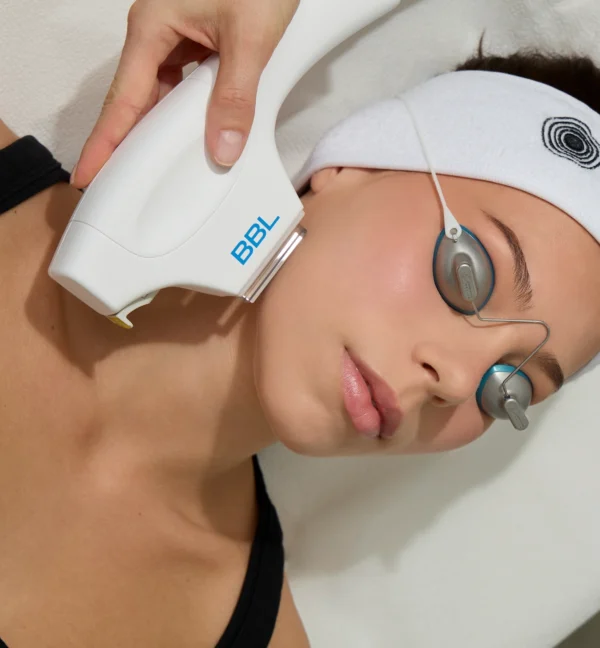
Phototherapy:
a light-based solution to restore radiance, even skin tone and reduce acne

Non-invasive solution
Phototherapy is a medically supervised treatment for chronic skin conditions such as psoriasis, eczema and vitiligo. It offers a non-invasive option for patients looking to manage persistent symptoms, particularly when topical treatments alone are not providing enough relief.
Treatment can help reduce inflammation, itching, redness, flaking and thickened patches of skin, leading to clearer, more comfortable skin over time. Phototherapy is typically performed as a series of short treatments, with the treatment plan tailored to your condition and how your skin responds.
PRICE
- Phototherapy is covered by RAMQ for eligible patients
- * Phototherapy is covered by RAMQ for patients referred by their dermatologist. Please contact our Quebec City – Sainte-Foy clinic for more information.
TREATMENT AREAS
- Full body
- Face
- Scalp
- Hands
- Arms
- Legs
- Torso
- Localized treatment areas
PAIN LEVEL
- Minimal
- Painless UV light exposure
- Mild warmth may be felt
- Well tolerated by most patients
RECOVERY TIME
- No downtime
- Mild redness may occur for a few hours
- Resume normal activities immediately
- Multiple sessions are typically required
CONDITIONS TREATED
- Psoriasis
- Eczema (Atopic Dermatitis)
- Vitiligo
- Lichen Planus
- Chronic Pruritus (Persistent Itching)
HOW THE
TREATMENT WORKS
Phototherapy uses controlled wavelengths of ultraviolet (UV) light to influence processes within the skin that contribute to inflammation and abnormal skin cell activity.
Depending on the condition being treated, narrowband UVB (NB-UVB) or PUVA therapy may be used. Narrowband UVB delivers a specific wavelength of UV light, typically between 311 and 313 nm, to help slow excessive skin cell production and reduce inflammation. PUVA combines UVA light with psoralen, a photosensitizing medication that makes the skin more responsive to the light.
Treatment is delivered in a specialized phototherapy chamber, with the dose and duration carefully controlled and adjusted throughout the treatment series based on your skin type, condition and response.

Step 1
Before beginning phototherapy, you will meet with a physician to assess your skin condition, skin type, medical history and current medications. This helps determine whether phototherapy is appropriate for you and which treatment protocol is best suited to your condition.
Step 2
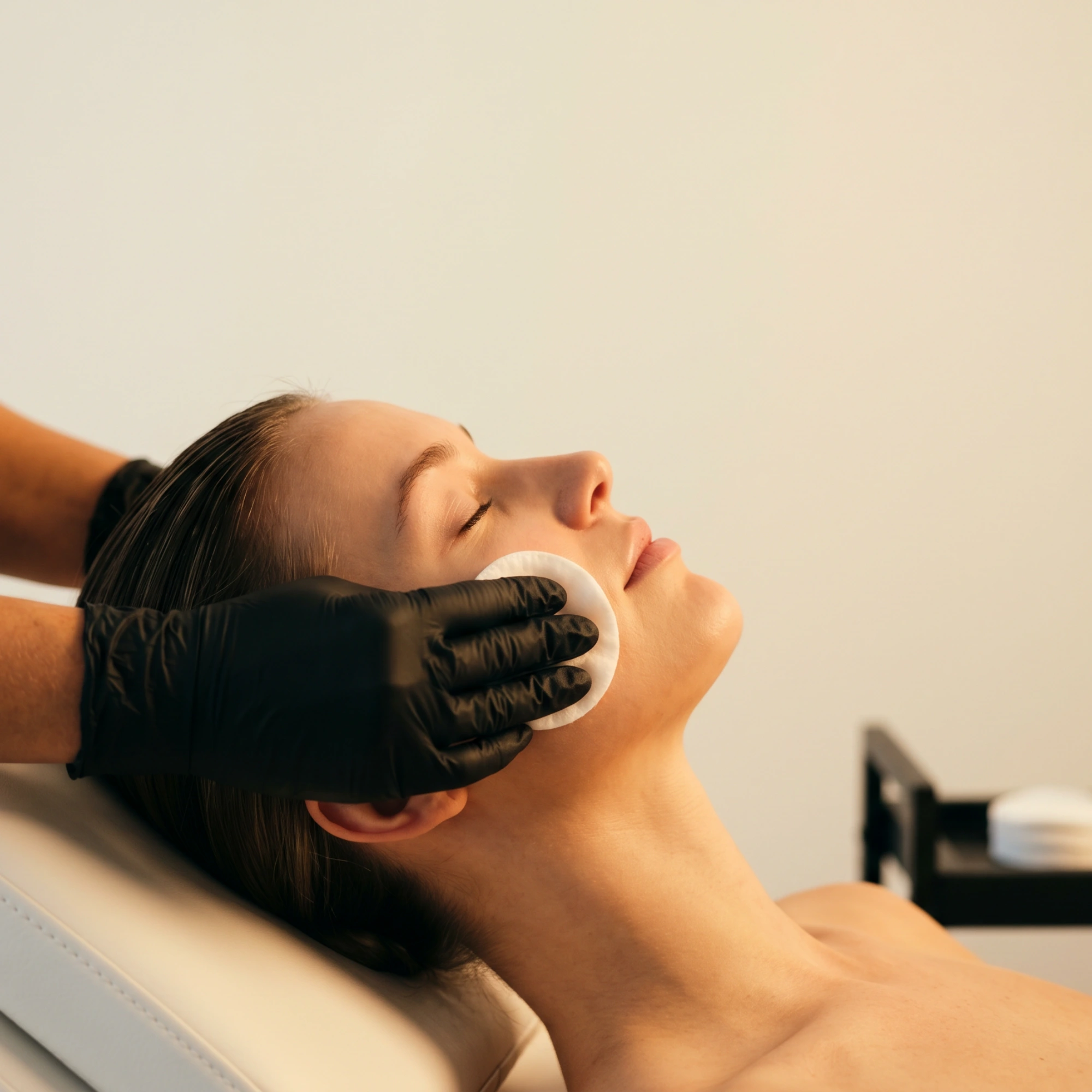
Before each session, the skin is prepared according to your treatment plan. Sun exposure and tanning beds should be avoided, and topical products should not be applied before treatment unless specifically recommended by your provider.

Step 3
You will wear protective goggles during treatment. Other sensitive areas that do not require treatment may also be covered or shielded from UV exposure.
Step 4
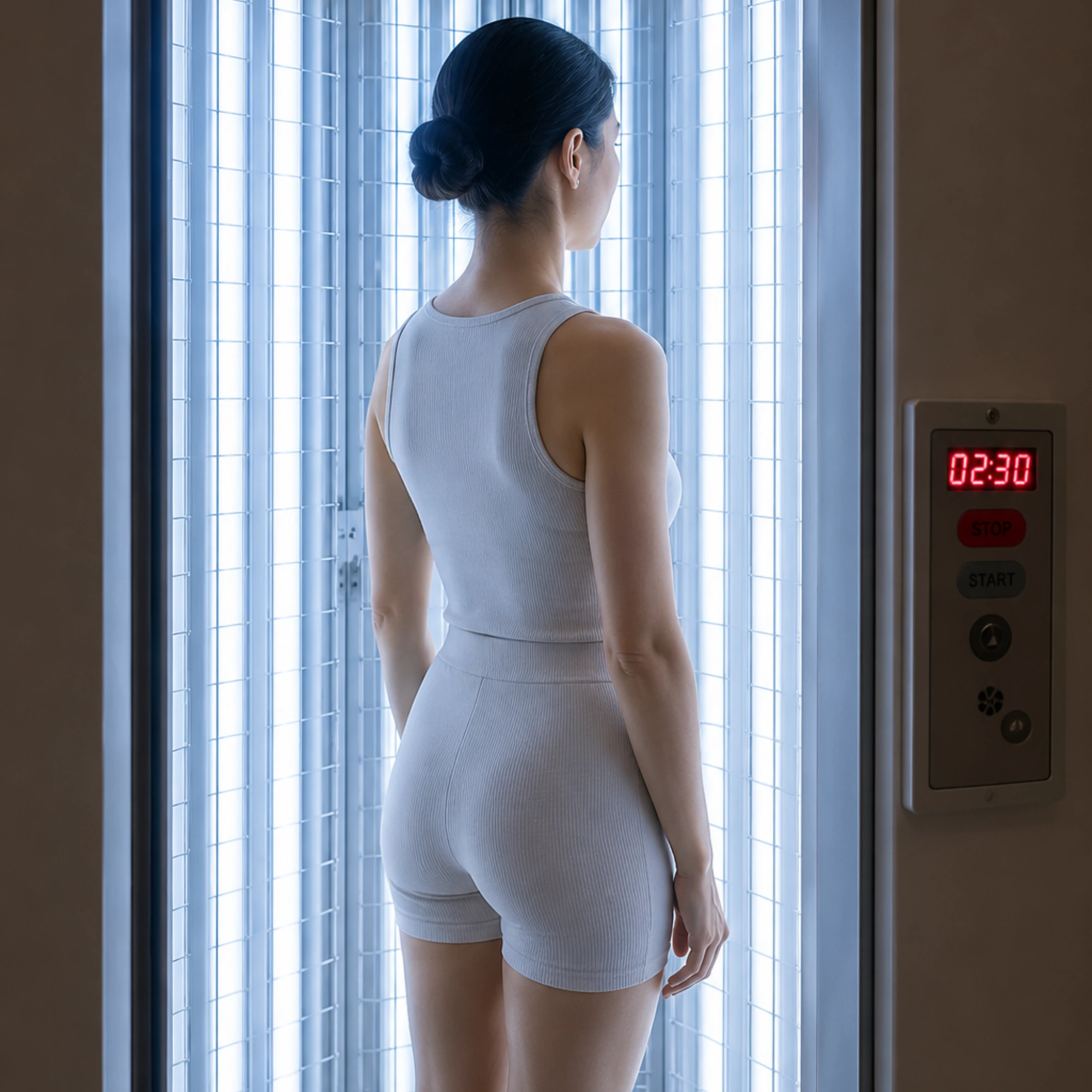
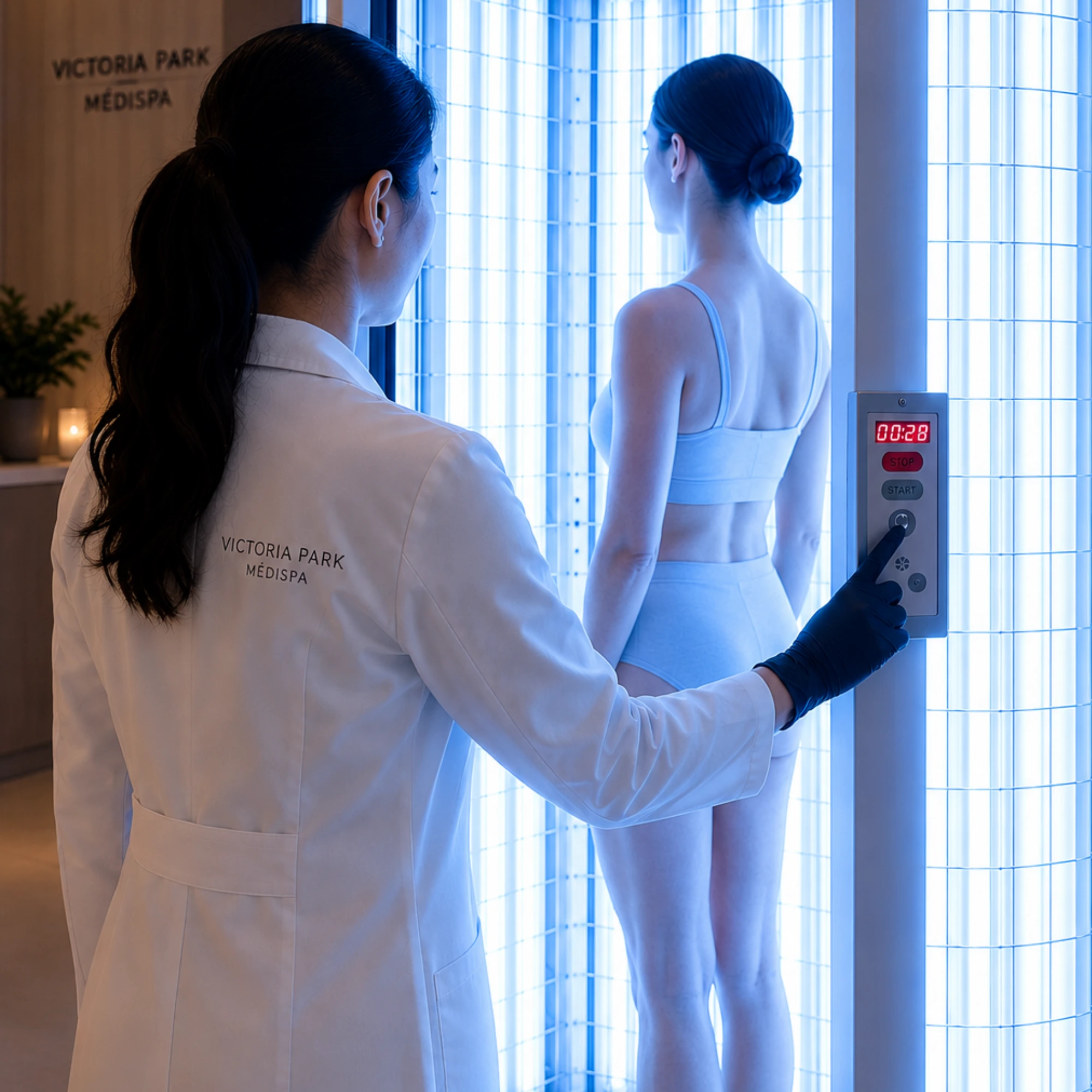
You will stand or sit inside a specialized phototherapy booth. Depending on your condition and treatment plan, the entire body or only specific affected areas may be exposed to the light.
Step 5
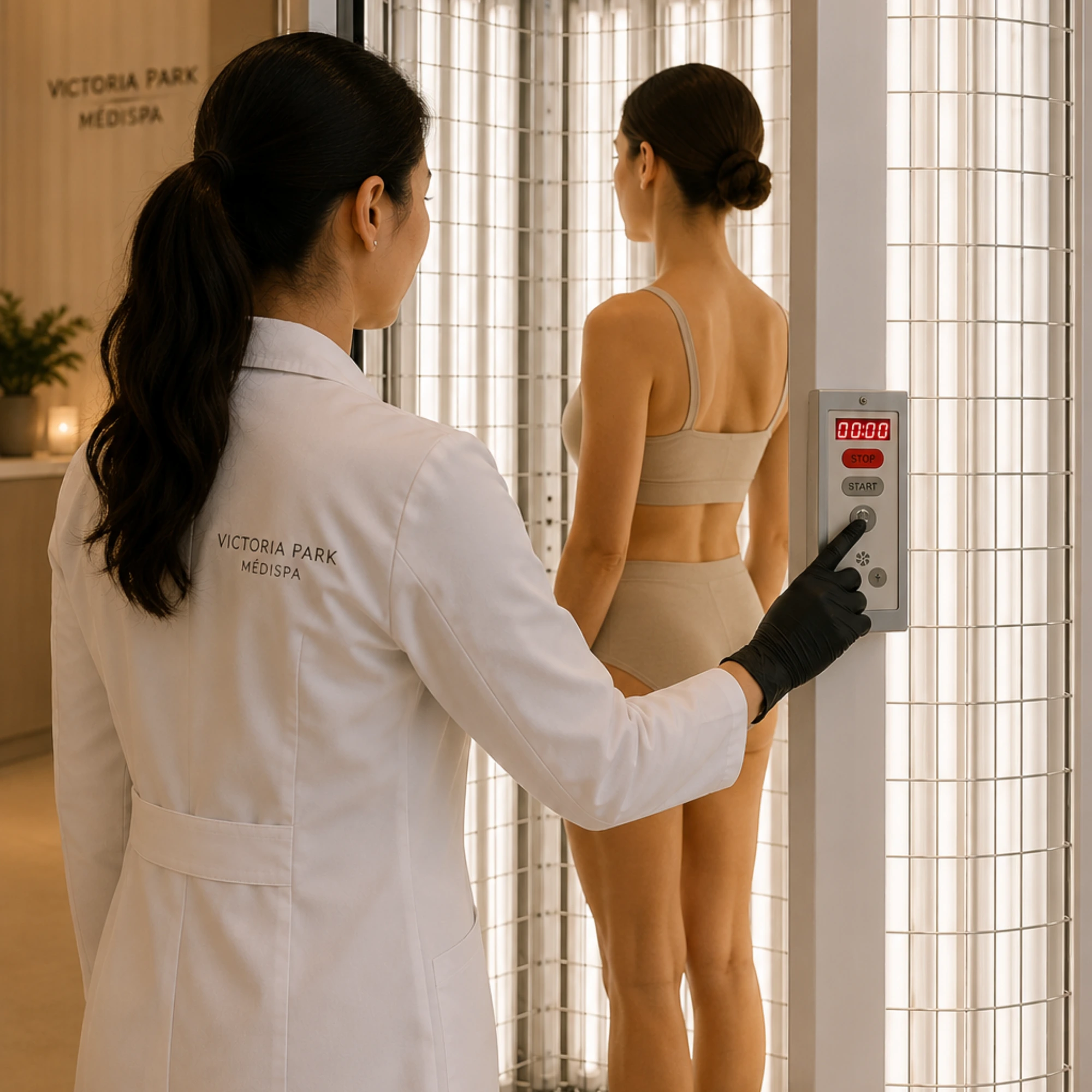
A carefully measured dose of UV light is delivered to the skin. Sessions are quick, often lasting only a few minutes, and are generally painless, although you may feel mild warmth during treatment.
Step 6
Phototherapy is typically performed two to three times per week over several weeks. Improvements appear progressively, and the number of sessions required will depend on your condition and how your skin responds.

Step 7
Your provider will monitor your skin throughout your treatment series and adjust your protocol as needed. Mild pinkness or dryness may occur after a session and typically resolves quickly. Regular moisturizing, daily broad-spectrum SPF and avoiding additional UV exposure can help protect the skin throughout treatment.
CONTRAINDICATIONS
PREGNANCY
Certain forms of phototherapy, particularly PUVA, may not be recommended during pregnancy. Your physician will determine the safest treatment option.
PHOTOSENSIVE DISORDERS
Individuals with conditions causing abnormal sensitivity to UV light (such as lupus or xeroderma pigmentosum) may not be suitable candidates.
MEDICATION
Certain antibiotics, retinoids, diuretics, and other medications may increase UV sensitivity and require treatment modification or postponement.
SKIN CANCER HISTORY
Patients with a history of melanoma or certain skin cancers may not be suitable candidates for phototherapy. A medical assessment is required.
Offered at
1 locations
FAQ
Got questions about Phototherapy ? We’ve got your answers here!
Who is a good candidate for phototherapy treatment?
Phototherapy is best suited for individuals with chronic skin conditions such as psoriasis, eczema, vitiligo, lichen planus, or persistent itching that has not responded well to topical medications alone. It is ideal for people seeking a non-invasive and medically supervised treatment that can improve symptoms and quality of life. Candidates should be in good general health and able to commit to multiple sessions, since phototherapy is typically performed over a series of treatments for best results.
A consultation with a dermatologist or medical provider will help determine if phototherapy is the right approach for your specific skin concern.
What conditions can phototherapy treat?
Phototherapy is clinically validated for the treatment of several chronic dermatologic conditions. It can improve psoriasis by reducing plaque thickness, scaling, and itching through the slowing of rapid skin cell turnover. It is also effective for atopic dermatitis (eczema), helping to decrease inflammation and itching, particularly when topical corticosteroids are no longer sufficient. In cases of vitiligo, phototherapy stimulates melanocyte activity to help restore pigment in affected areas.
It can also reduce inflammation and itching associated with lichen planus, as well as calm persistent itch, known as chronic pruritus, even when the underlying cause is unclear. Because each condition responds differently, treatment plans are always customized and supervised by a medical professional.
Is phototherapy evidence-based?
Yes. Phototherapy is a medically recognized, evidence-based treatment supported by decades of clinical research. It is considered a first-line or second-line treatment for conditions like psoriasis, atopic dermatitis (eczema), and vitiligo by major dermatological associations including the AAD and the Canadian Dermatology Association.
Can phototherapy make eczema worse?
In rare cases, phototherapy may cause temporary irritation or dryness, especially in very sensitive skin. However, when performed under medical supervision and properly tailored to the individual, it is highly effective at reducing eczema flare-ups and improving skin comfort over time.
Does phototherapy cause tanning or permanent darkening of the skin?
No. Any darkening of the skin due to phototherapy is usually temporary. Once treatment ends, skin tone gradually returns to baseline. Persistent pigmentation changes are uncommon and typically only occur with excessive UV exposure or improper protocols.
How long does it take for phototherapy to work?
Results vary depending on the condition treated. Most patients begin noticing improvements after 4 to 6 sessions, with full therapeutic effects often achieved after 20 to 30 sessions. Your physician will track progress and make adjustments as needed.
Is phototherapy good for psoriasis?
Yes. Phototherapy, especially narrowband UVB, is one of the most effective and safest treatments for moderate to severe psoriasis. It slows down the rapid skin cell turnover characteristic of the condition and significantly reduces plaque thickness, scaling, and itching.
Is phototherapy safe?
When administered in a controlled clinical environment, phototherapy is very safe. Treatments are carefully timed and dosed based on your skin type and condition. Side effects are typically mild and may include slight redness or dryness.
Is phototherapy the same as a tanning bed?
No. While both involve UV light, tanning beds emit broad-spectrum UVA and UVB in uncontrolled doses, which increases skin cancer risk and premature aging. Phototherapy uses medical-grade, specific wavelengths of UV light in precisely measured doses to treat skin disease safely.
Is phototherapy the same as red light therapy?
No. Phototherapy uses ultraviolet (UV) light to treat inflammatory skin conditions. Red light therapy uses visible red or near-infrared light and is primarily used for cosmetic purposes like skin rejuvenation or wound healing. The mechanisms and applications are completely different.
What are the side effects of phototherapy?
Most side effects are mild and temporary. These can include redness, dryness, mild burning or itching, and temporary tanning. Rarely, overexposure can cause blistering. Long-term treatment may increase the risk of photoaging, so monitoring by a medical professional is essential.
WHY CHOOSE
VICTORIA PARK MEDISPA
-
FINANCING
Our partnership with Beautifi means our patients can get the treatments they deserve with low-interest, flexible monthly payments.
-
PRICE MATCH POLICY
If you discover a better price on laser-based aesthetic services, let us know, and we’ll match that figure.*Details apply.
-
ACCESS TO THE BEST EXPERTS
Our medical team is made up of the country’s top board-certified plastic surgeons and dermatologists. These experts are supported by a team of dedicated registered nurses who are passionate about helping you achieve your aspirations.
READY TO TAKE THE NEXT STEP?
Not sure which treatment is right for you? Schedule a consultation with one of our experts today.
Or call us at 1 833 488 8668
Or call us at 1 833 488 8668
RECENT
ARTICLES


Request an appointment
Let's get in touch
Not ready to book your consultation yet? Contact us by filling in the form below or call us at 1-(833)-488-8668 to discuss your questions with a member of our Appointment Concierge Team. We look forward to helping you.

